Will Your Colostomy Be Permanent?

Many people who are about to undergo colostomy surgery may wonder if they have to live with this intestinal diversion for the rest of their lives. The most accurate answer to this question is “it depends”.

Here are a few things that you may want to know about having to live with a colostomy bag.

Ostomy reversal: who is the candidate?

The first prerequisite for ostomy reversal is the overall good health. It will be a surgical procedure that can leave quite an unpleasant impact on the body in general and the GI tract in specific.
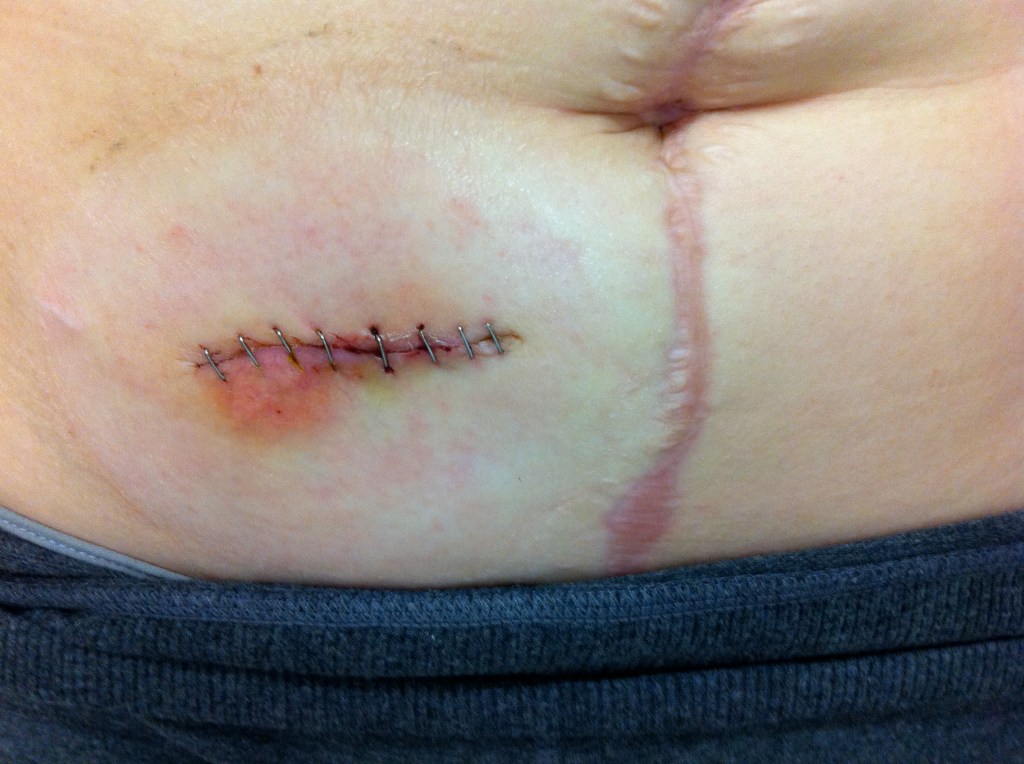
The reversal of a colostomy also depends on why you had it in the first place. If you had to undergo a temporary colostomy procedure as part of the cancer treatment, you can go for its reversal when your colon recovers from the illness. The colostomy that you get in this regard most has a loop stoma, which is fairly easy to reverse.

A permanent colostomy is always an end colostomy, but certain types of end ostomies are reversible. The reversible end colostomies require a major operation that results in delayed postoperative recovery.

Alternatives to colostomy bags

You can discuss several options with your doctor regarding the right alternative to your colostomy pouch. Every option, except for the one resulting in a stoma on the belly, allows you to retain bowel continence. This way, you won’t need any pouch to manage your stool evacuations. The waste will store in an internal reservoir inside the abdomen. You are going to have to empty it several times a day.
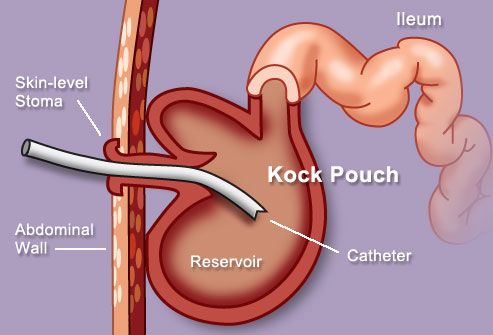
Here are the alternatives to a traditional colostomy.

Kock pouch

The surgeon takes a part of the large and small bowel and makes a pouch that has to store waste contents coming into it through the small bowel. A small valve connects this reservoir to an opening in the abdomen. You will have to use a catheter to empty your Kock pouch.

J-pouch

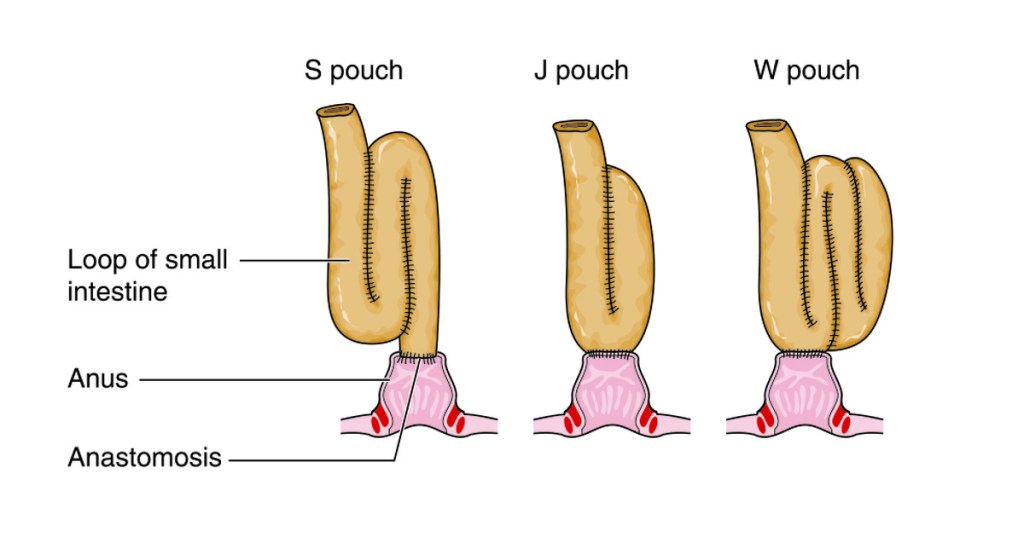
A j-pouch is pretty similar to a Kock pouch, except for its connection with the anus. The surgeon creates this pouch by folding the end of the small bowel into itself. He then makes an incision at the bottom of the pouch to fit it over the anus. This option allows you to evacuate stools just as you have been doing before surgery. With this internal pouch, you will need to move your bowels within an hour after you feel an urge to go to the toilet.

BCIR

A BCIR, or Barnett Continent Intestinal Reservoir, may be an even better option as compared to a Kock pouch or a J-pouch. It is because of its ability to prevent leakage. The construction of a BCIR is pretty similar to that of a Kock pouch, but it uses a valve consisting of healing tissues. It enables the abdominal opening to be as resistive to leakage as sphincter muscles. A BCIR allows you to sleep throughout the night without worrying about the leakage.

What option suits you well depends on your health and preferences. You can discuss these options with your doctor.

J-Pouch Surgery – Procedure and Care

J-Pouch Surgery

J-Pouch surgery is a kind of ostomy. It also creates a pouch or bag, but the difference is its placement. It is not an artificial pouching system attached to the puter side of the abdominal wall. It does not attach to the stoma or opening. Well, it is also fabricated by the doctors, but the location is not the patient’s abdomen. It appears on the internal organ, on the digestive tract. A j-pouch develops on the ileum or small intestine. When a patient’s anus can function, but the colon or large intestine needs removal; thus, surgeons create a J, W, or S shape bag on the ileum. It collects the stool from the body and releases it through the anus. Thus, the stoma does not discharge the feces in the j-pouching procedure.

Procedure for J-Pouch Surgery

The other scientific name of pouch surgery is the ileal pouch-anal anastomosis (IPAA). When a person’s colon or large intestine shows damaged tissues, blockage in the canal, or any kind of injury, but the anus is in good condition and it can eject the stool, then a patient needs the j-pouch surgery. This pouch appears on the small intestine or ileum. Surgeons fabricate a sack on the ileum after the removal of the colon. They connect the j-pouch to the anus. During surgery, doctors delete the damaged tissues, blockages, and injuries; therefore, they will have to eliminate the entire colon. However, the build a linkage between the ileum and anus. This link first collects the liquid stool from the small intestine, then allows it to exit from the anus upon the movement of bowel. This is a risky procedure and not appropriate for every patient. Many old age people cannot bear the pain and procedure of ileoanal operation. Moreover, it is not a temporary pouch; therefore, it needs a reversal and closure of the S, J, or W sacks. Merely, it requires another surgery, so cancer patients, diabetic people, heart patients, and old age people are not suitable for this sort of therapy. They will have to go through the ileostomy, instead of J-Pouch surgery.

Why a Patient Needs J-Pouch Surgery?

When there is an infection, blockage, or damage appear in the large intestine, then a patient requires the j-pouch operation. It does not signify that every type of disease or infection in the colon will go through the ileoanal operation. There are very few circumstances in which doctors perform this type of surgery. Moreover, not every age and person needs this ileoanal procedure.

When a few damages tissues in the colon needs removal, then doctors perform a j-pouch operation. Moreover, a patient should be between the age of twenty to forty and overall healthy.

An ileoanal operation candidate should be:

  1. Overall healthy.
  2. Do not suffer from any type of cancer or any other disease.
  3. Only have damaged tissues in the colon.
  4. There is no other sever problem in the small intestine or rectum.
  5. Tissues of the colon cannot function.
  6. Not an old person.
  7. He/she is not bulky or overweight.
  8. Do not have heart disease, cancer, kidneys infection, or diabetes.

Care for J-Pouch Patients

The people who have gone through the j-pouch surgery needs diet care. They do not have to wear an artificial ostomy pouching system on any part of the body, but they need a vigilant diet routine. A patient should not do heavy work out, such as lifting weight or abs exercise. Moreover, do not eat food items that source loose motion or diarrhea. Therefore avoid eating mangoes, oranges, cucumbers, red beans, pulses, and eggplants. Do not drink alcohol and carbonated drinks.

Life of a Colostomy Patient – Lifestyle and Care

It is quite evident that living a healthy and normal life is a state of happiness. No one wants an unhealthy lifestyle and any kind of disease in life. However, we cannot control the mishappenings and misfortunes. We may encounter some discomforts, hardships, and illnesses. It changes our normal life and lifestyle. Some diseases are responsible for the alteration of the entire organ, one of them is ostomy. In this surgery, a person changes the natural path of excretion. The patient will have a new organ (stoma) in the abdomen. The purpose is to discharge the stool and urine through this passage instead of the anus. Well, we have to embrace uncertainties in life. However, the good part of the ostomy is it enhances the quality of life of a patient. It does not bother you or bring drastic changes in the lifestyle of an ostomate.

The ostomy is the treatment of the large intestine and small intestine. A disease or defect in the digestive system drives patients towards ostomy. It has various kinds depending on the disease, for example, when there is an infection or chronic disease in the large intestine or colon, it needs colostomy when an infection erupts in the small intestine or ileum, it needs ileostomy, and the same is the case with bladder and rectum, a dysfunctioning of these organs need urostomy.

Colostomy

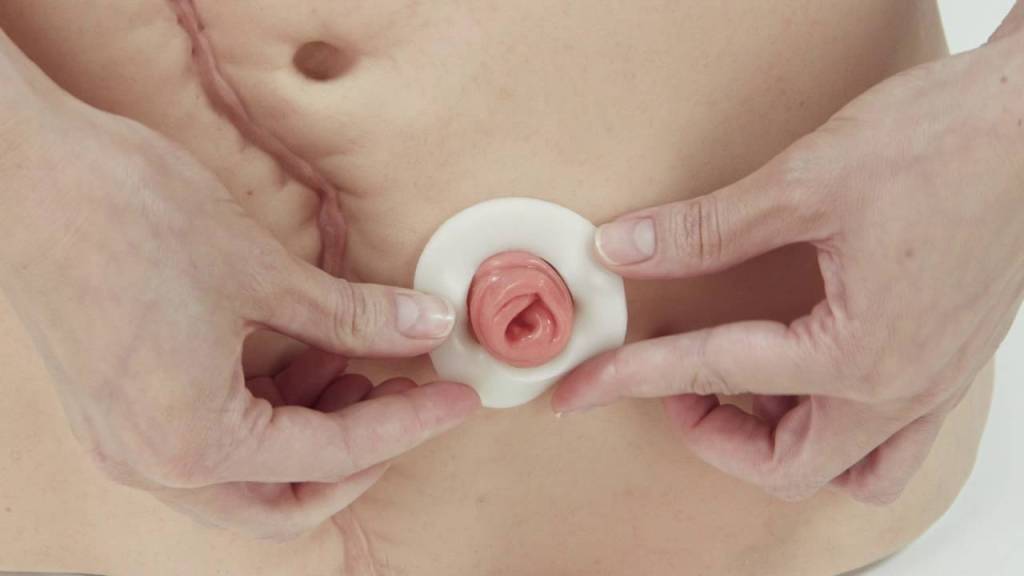
Globally, thousands of people are living a colostomy life. It means they have gone through the surgery of the colon. When there is a problem in the large intestine, like colon cancer, Crohn’s disease, intestinal obstruction, birth defects, and diverticulitis, a person needs the removal of an infected section of the colon or the entire large intestine. No doubt, it brings a few alterations and adjustments in the life of the ostomate, but there is nothing to fear about. It enhances the life quality of the patient. It removes the infection or disease permanently, and a patient can live a healthy life afterward. The only dramatic change is the appearance of the stoma in the abdomen. It is a circular, artificial opening for the collection of the stool. The primary objective of the stoma is to collect solid waste. It requires a bag or pouch to gather the feces.

The stoma does not have any other impact on the body and life of a colostomy patient. It only picks up the waste material from the colon and passes it into the ostomy pouch. It does not serve any other purpose. It works as anus in your body. However, it is an inorganic part of the body; therefore, you need to pay attention to its care, health, and hygiene. There is zilch additional you need to do with the opening and colostomy. It eradicates the effects of colon cancer, chronic disease in the large intestine, and dysfunctioning of the bowel or colon. Thus, it makes the life of a patient healthy and normal.

Lifestyle and Care

Patients assume that their life after the colostomy surgery is going to daunt them. However, when a patient is suffering from any kind of disease, either an infection or cancer in the digestive system or any other organ, life is tough for them. After the treatment of any kind of disease, patients welcome comfort and health in life.

Colostomy patients suppose that their lifestyle will get changed, and they will not serve their aim of life. No, this is just a myth regarding colon surgery. It only closes the anus and opens the stoma as a new organ of discharge. Moreover, like any other operation, a colostomy patient person needs some rest in the hospital right after the colostomy, and wait for the healing of the large intestine.

Once the colon and stoma get healed, a colostomy patient can join back the previous lifestyle, but with full care and according to the directions of the doctor and ET nurse.

Surgery to Remove an Infected Part of Colon – Colostomy

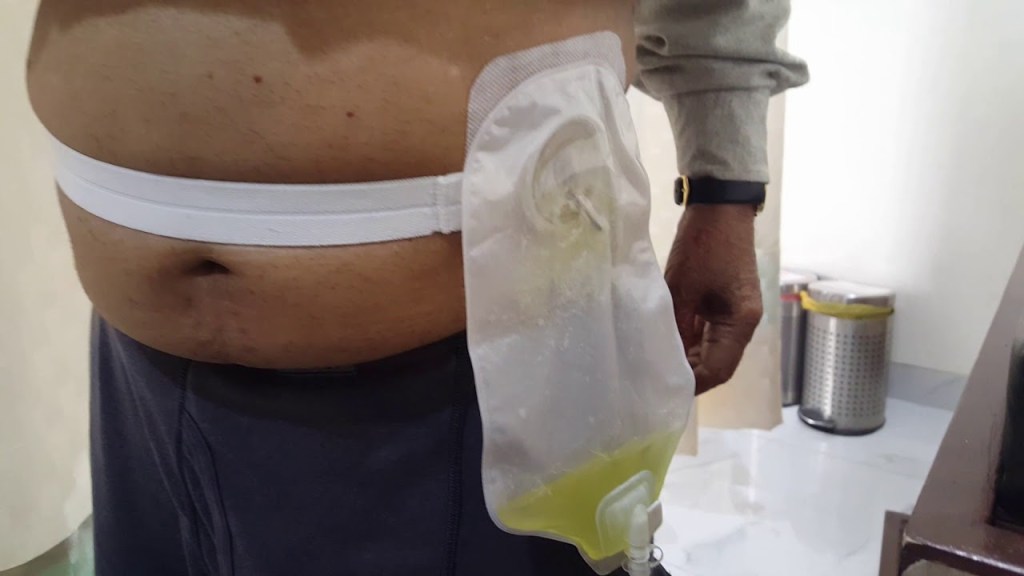
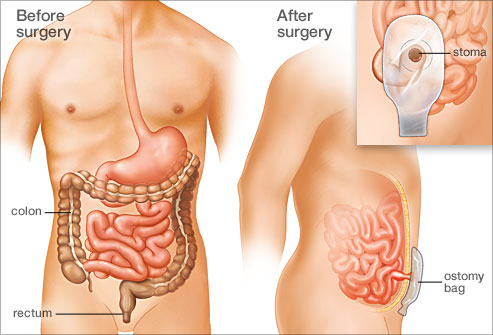
A colostomy is a kind of surgery, used to treat many digestive diseases, like colon cancer, Crohn’s disease, intestinal obstruction, birth defects, and diverticulitis. Before surgery, people might afraid of the idea of dissection of the large intestine and having a new organ in the belly wall. However, the truth is it gives a greater quality of life to a patient. It saves the life of a person. Hence, the removal of the infected part or the entire colon (the large intestine), called a colostomy. It passes the solid waste of the body or feces through the artificial organ, called a stoma. It is a round hole in the abdomen of the patient, which works as an anus. It excretes the stool out of the body into a bag, called an ostomy or stoma pouch.

In the colostomy, the opening or stoma has been made through the incision of the colon. Surgeons remove the infected part of the large intestine and bring the remaining healthy section to the outer side of the abdomen. Through this surgery, doctors eliminate the entire disease in one go. They leave the functioning and uninfected part of the digestive system. Due to this, a patient lives a healthy life, the only change is the passage of discharge. They cannot use the anal track to pass the stool. The waste will travel from the colon to the stoma. It will collect the feces into a bag attached to it, called a colostomy pouch or stoma pouch.

Well, colostomy has several types. The kinds depend on the disease and infected part of the colon. Moreover, the stoma after the treatment of the colon can be permanent or temporary. Sometimes it is for the rest of the life of a patient; however, for a few of you, it will be for some months.

Temporary Colostomy

Temporary colostomy happens when a lower part of the colon needs removal and treatment. After an injury during an accident or fight or trauma, the colon needs healing through the colostomy method. Therefore, it will be for a few months, or until it gets healed. After healing, surgeons reverse the process, change the path of the colon, bring it back to the anus, and closes the stoma.

Permanent Colostomy

A permanent colostomy needs to occur when the disease in the large intestine is chronic or serious. Then, it requires permanent removal of the infected bowel or colon. In the cases f IBD, colon cancer, rectum cancer, and diverticulitis, a patient goes through the permanent removal of the colon. Then, the stoma in the abdomen of the ostomate is permanent. He/she cannot discharge the stool through the anus, a patient will have to use a stoma to excrete the solid waste.

Types of Colostomy Surgery

When it comes to types of colon surgery, there are several depending on the part of the large intestine. They include:

  1. Ascending colostomy.
  2. Transverse colostomy.
  3. Descending or Sigmoid colostomy.

Colostomy Surgery

This is a major operation; thus, it needs a few pre-operative sessions and stays at the hospital for two or three weeks after the operation. You will need the support of the ET nurse at the clinic because it is something you cannot handle right after the treatment. You need guidance and assistance to take care of your stoma and diet. Thus, doctors and nurses will teach you all about the opening in the pre-operative meeting. Moreover, you can support yourself alone at home if you listen to the ET nurse instructions.

Some patients need less time and a few take more than 4 weeks, it depends on the kind of colostomy and disease. A stoma in the abdomen is a big change in a patient’s life; therefore, you will have to learn a lot and need to take care of opening, diet, routine, and lifestyle.